
Making a Difference, One Small Garden at a Time
Plymouth Pollinators cultivate community
BY JODY HELME-DAY
Anyone who has ever had a garden knows how it goes—you begin with one little patch, the next year it gets bigger, then the next it expands even more, and before you know it, you are spending the whole growing season with your hands in the dirt, watching with excitement as all your beautiful plants are growing. You’re talking to them while you water and weed (or, is it only me that does that?). For two Plymouth residents, what began as a backyard hobby turned into a community organization that has sowed gardens all around Plymouth, and continues to grow.
When Carly and Dave Cirilli moved to Plymouth, Carly was inspired by their neighbor’s beautiful perennial garden to start one in their own backyard. But around 2014, she observed a marked decline in the number of butterflies visiting their flowerbeds and began researching pollinator decline and native plants. “Luckily, I have a very handy husband who built a bunch of raised beds in our backyard so we could add some habitat for pollinators. Our backyard is our own little science experiment, we have a whole ecosystem going on,” she said.
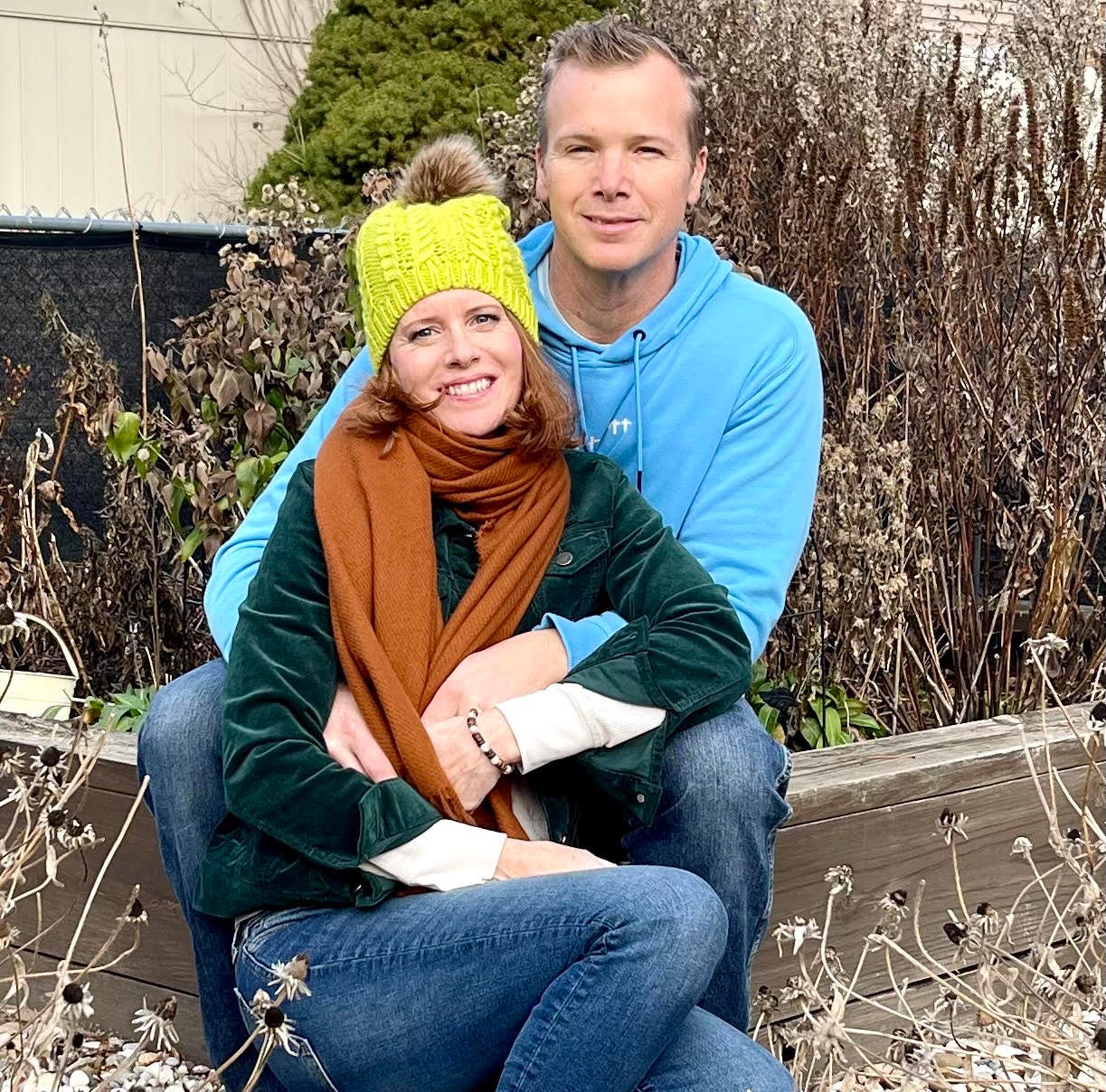
Around 2019, Dave invited over his co-workers from Plymouth’s Department of Municipal Services, and they were intrigued by the Cirillis’ pollinator habitat. They suggested the couple plant a pollinator garden in a space near Kellogg Park in front of the Wilcox House, which needed some love. This became the first Plymouth Pollinator garden. In 2020, when the world shut down, the couple worked with the Department to plant more pollinator habitats in the city, including a large space across from Lion’s Club Park and near the Old Village Knights of Columbus. People would see them tending the gardens and ask lots of questions, and want to give donations to support their work, resulting in a Facebook group. In February of 2022, they became an official non-profit, and have been growing ever since.
As of this publication, the group has about 20 gardens they have installed and continue to upkeep, including three school gardens and two micro-gardens in Old Village. “If there’s a little space and we are able to do it, we’ll put something there,” Dave shared. They work with residents and small businesses to create garden plans, provide educational materials on what to plant to attract pollinators, the importance of native plants, and the risks of pesticide use.
According to their website, pollinators are insects such as bees, butterflies, moths, wasps, beetles, and flies, as well as animals such as hummingbirds, bats, and possums. Approximately 80% of all flowering plants and 35% of global crops require help from pollinators to grow. One out of every three bites of the food we eat depends on pollinators. By 2050, over 40% of these beneficial partners in our food production will face extinction if our current practices of pesticide and chemical fertilization methods continue, not to mention the pollutants causing global climate change. Planting native plants that provide habitat and food for these beneficial partners is one way to give them some help. Pollinator gardens may not be as manicured as your typical flower bed, and look a little wilder, however, they don’t require as much maintenance as one planted with species we usually associate with our gardens that are actually exotic for our local environments. “When you normalize it and let people know it’s okay to be a little lazy with your gardening, you don’t have to be so manicured about it,” Carly said. “After two or three years, you don’t really have to water, you just have to do a little weeding and clean up, but it’s not too bad.”
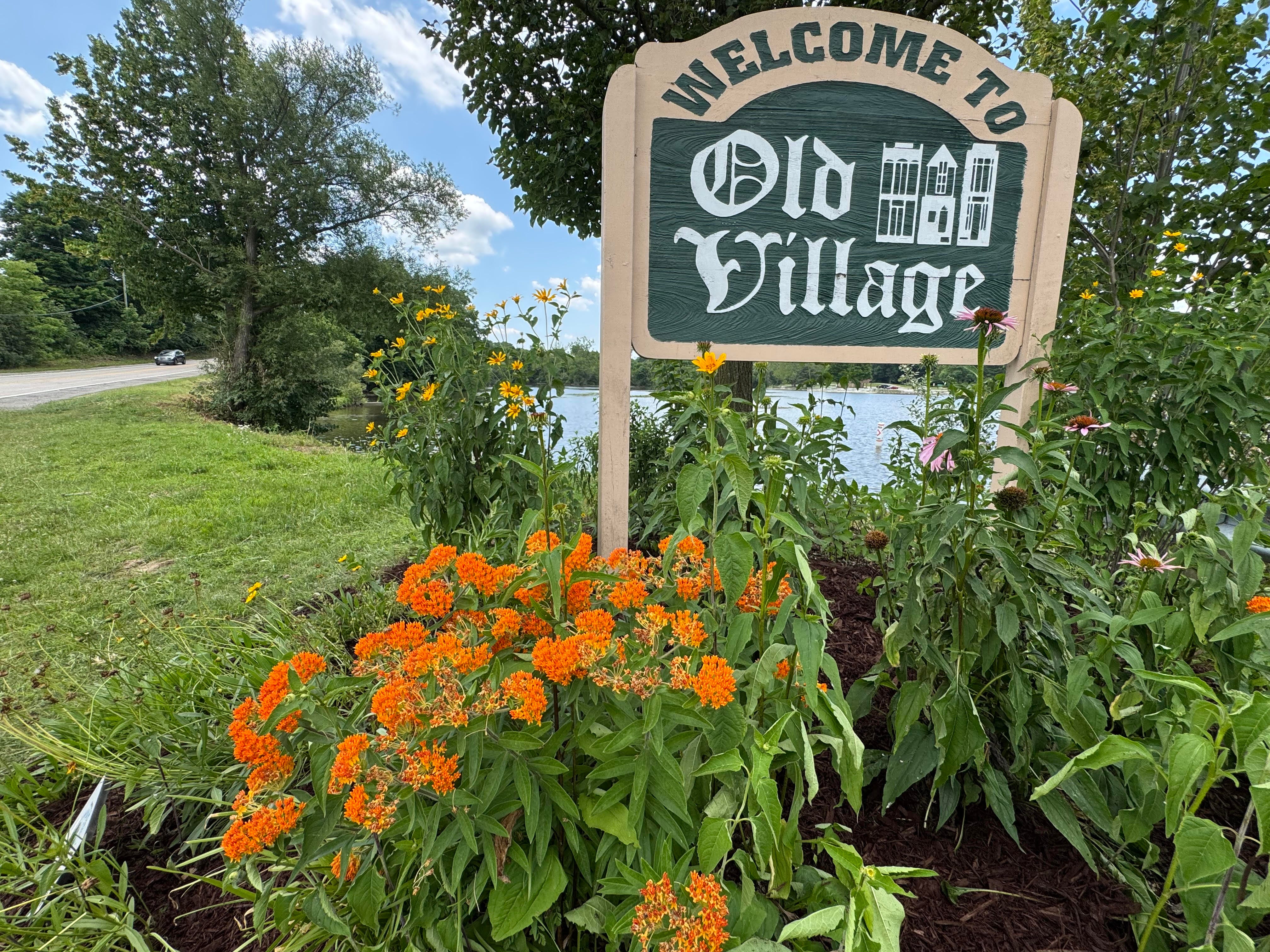
Currently, the Pollinators consist of Dave and Carly, a board of eight members, and over a hundred volunteers who show up to assist with new garden installs or other projects. The plants they purchase for the gardens are funded by donations, and grants from organizations such as Bosch, and the Wildflower Association of Michigan. Plants are purchased from specialty garden centers such as Barson’s Greenhouse in Westland, Michiganese Natives in Northville, Fera Flora in Ann Arbor, or further afield at Wildtype Native Plant Nursery in Mason. “Unfortunately, we can’t go to big box stores. Even though the plants might say ‘native’, there are chemicals or pesticides on them or they’re fertilized, which you don’t want on there because that just passes to the wildlife,” Dave said.
This year, the Pollinators are installing a garden at Smith Elementary School, and another at White Buffalo Yoga Studio in Old Village. “Something I’m really excited about is we’ve been doing a lot with our education,” Carly shared. The group partnered with the Northville Art House in April for special programs to teach preschoolers and teens about pollinators and native plants. They have taught classes at Schoolcraft College as well, and intend to do more educational programs.
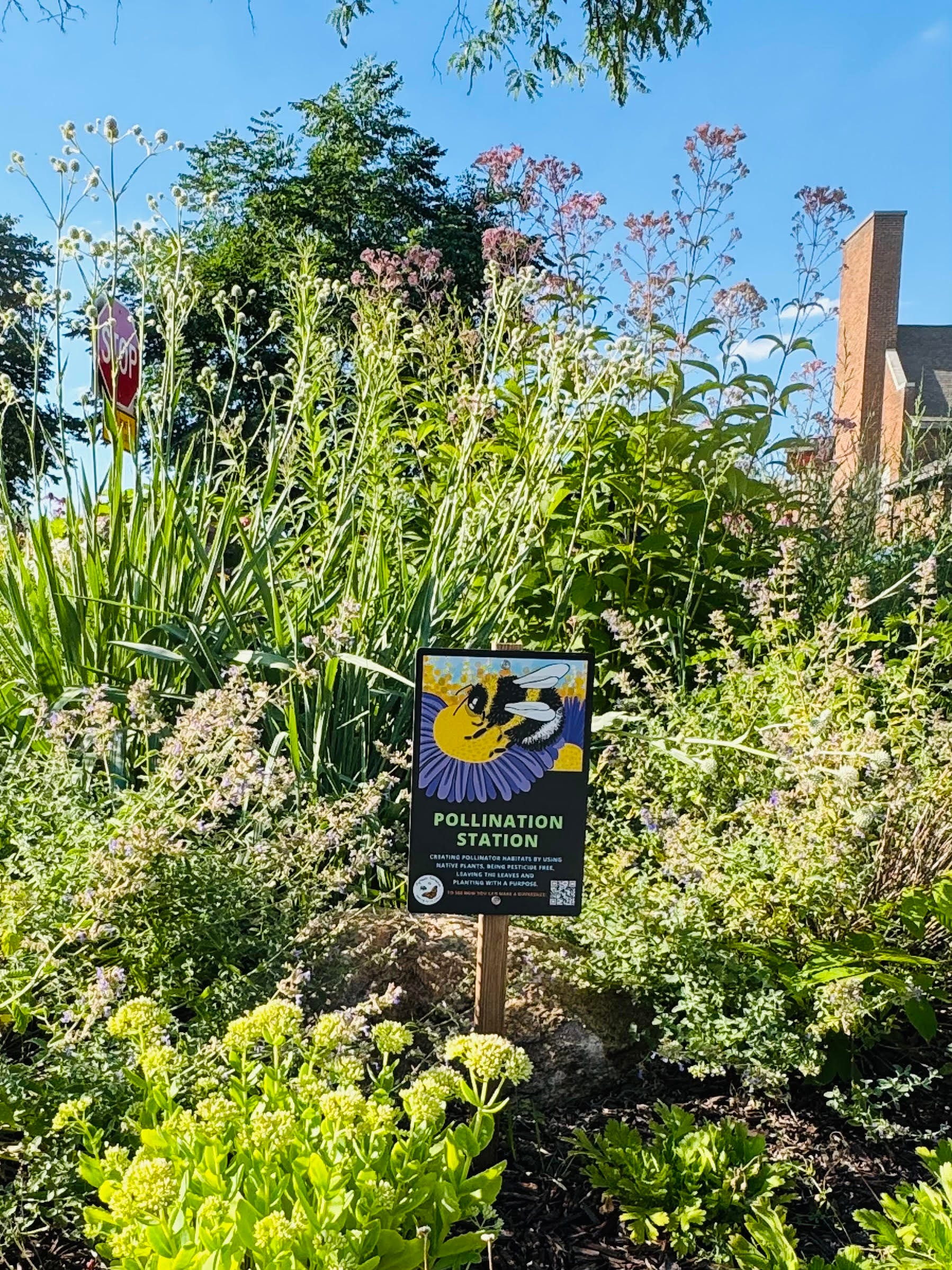
Additionally, new this year is a monthly book club that meets at Bearded Lamb Brewing Company. “We just started a newsletter. This year has been a lot of experimenting with new things, like let’s try it, see if it sticks,” Carly explained. “The education programs have been going really good. We’d like to move more into that realm because we can only take care of so many gardens,” she said. “Or plant so many!” Dave added.
One thing the Cirillis are proud of is the support from so many community partners over the years, such as the Old Village Association, Bearded Lamb Brewing, Elephant Ear Books, the Plymouth District Library, and the Penn Theater, among others. “We try to work with a lot of local businesses and organizations around here,” Carly said. “When you lift everybody up, we all rise.”
Find out about native plants and pollinators, and upcoming events at plymouthpollinators.org, their Instagram at @plymouth_pollinators, or Facebook at PlymouthPollinators.
Jody Helme-Day is a librarian who lives in Plymouth with her family. When she is not reading a book or seeking out new places to eat, you will find her outdoors somewhere, letting her dog take her for a walk.